


Insights
Boardwave Live 2026: Five key takeaways
The next chapter isn't about whether Europe can build. It's about how far we can go.
.webp)
I spent yesterday morning in Paternoster Square for London Stock Exchange’s first Private Securities Market Forum, and it felt like such a big deal, I felt compelled to write an actual post about it (and then post about that post!). Three years in the making, a genuine world first, and I think it's a really big thing, not just for Boardwave’s members of course, but more broadly for scaling founders in the ever hotter UK tech scene, which is definitely having its moment.
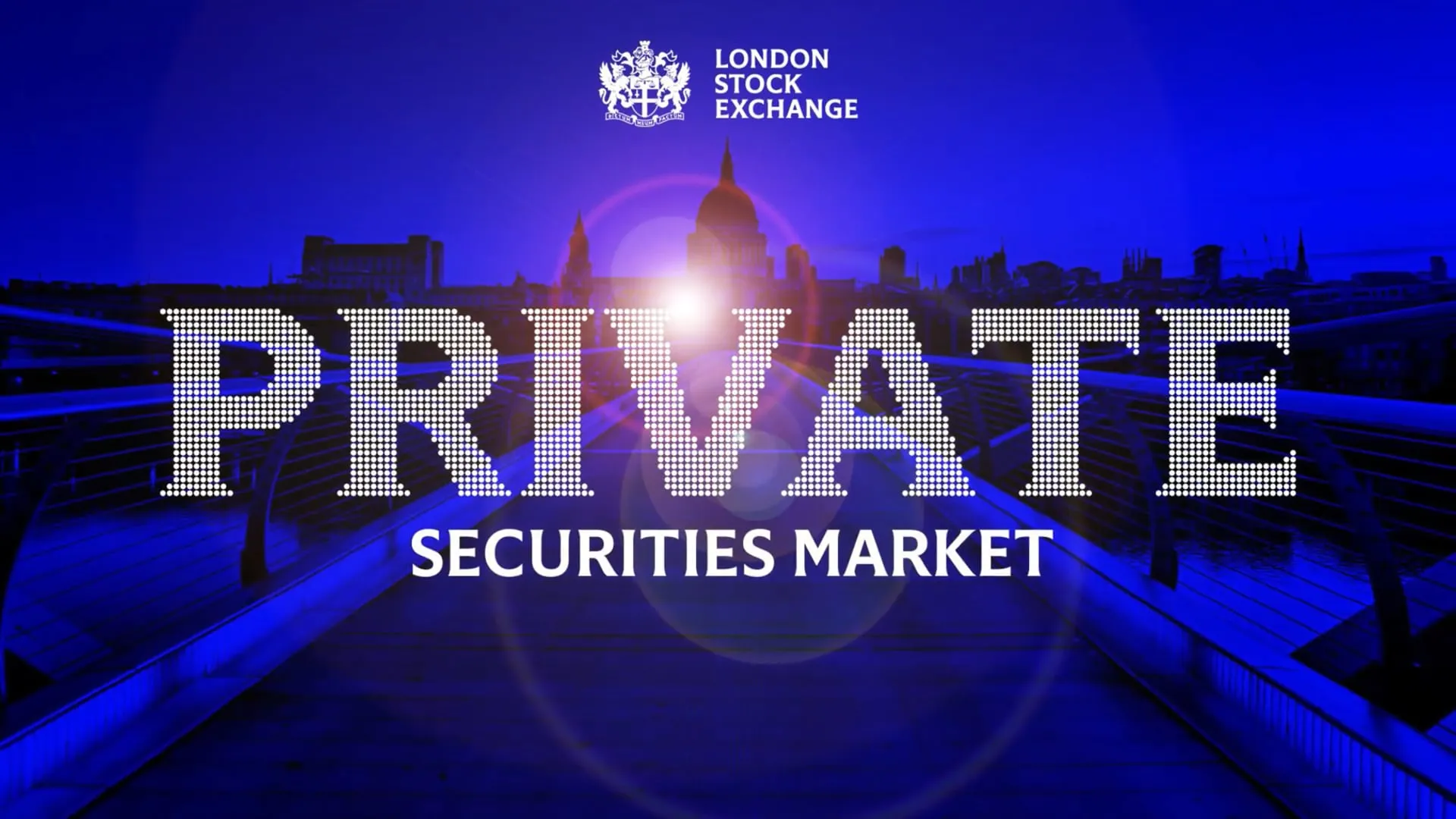
Here's the plain version of what PSM is, for anyone who, like me a few months ago, needed the explainer. The Private Securities Market is the LSE’s new trading platform, built under the FCA's PISCES framework (Private Intermittent Securities and Capital Exchange System). It lets private companies run periodic trading windows for their shares, using the Exchange's own public markets infrastructure, without becoming a public company.
Investors and employees can buy and sell. The company stays private throughout, there's no stamp duty to worry about, and all the KYC and eligibility checks sit with the intermediaries rather than the company itself. You set it up once and after that it's designed to just run again each time you need it, not something you're rebuilding from scratch.
The reason this matters is that companies are staying private for far longer than they used to, but employees and early investors still need opportunities to realise some value along the way. PSM isn't trying to push businesses towards an IPO before they are ready. It gives private companies a proper, trusted way to create liquidity without changing what they are.
Simon Olsen from Deloitte put it well: "let's not be too British about it." This is a genuine world first, and a real brand moment for the UK, not just a market mechanism.
It was also framed, more than once, as one of the core pillars cementing the UK's competitiveness on a global stage, right alongside the other capital markets reforms underway. I think that's right. The UK has never had this many highly valued companies in deep tech, and being the trusted, standardised home for liquidity in that ecosystem is a real competitive edge globally.
What got me was the timeline. LSE has been working on this, in painstaking detail, with input from companies, since 2023. The first auction only went live back in March. Three years of quiet, careful work, then a handful of real, incredible transactions in quick succession.
Wayve gave current employees with vested equity a route to liquidity. Moneybox, ten years old and three years into a profitable run, used it too - not yet focused on an IPO, but wanting to give something back to the earliest employees to realise value from the equity they hold.
That's the use case that kept coming up (but it's definitely not the only one) - reward and retain people through the long build, at a time when the war for talent in UK tech especially has never been fiercer. Though as more than one person in the room said today, honestly, retention after the liquidity event is its own challenge.
The British Business Bank made the point that PSM could become the mechanism by which real institutional capital, pension funds and the like, comes in directly to hold these assets for 10 or 20 years, rather than through today's mess of fragmented SPV structures.
Rachel Blake, the Economic Secretary to the Treasury, talked about the Government believing in capital markets that are “open, dynamic and responsive to your needs at every stage of growth." A simple line, but it lands differently when you've just seen the first few live transactions happen.
The framing that stuck with me most: ‘this is private up, not public down’. PSM is building a proper, trusted, repeatable venue for a reality that's already here.
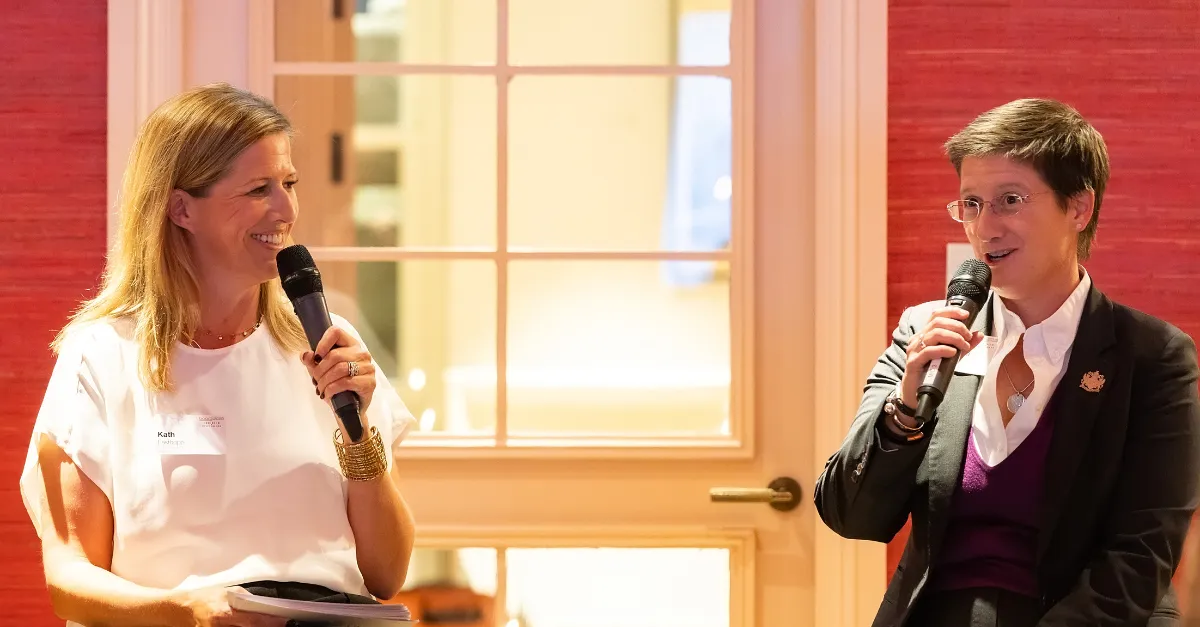
Charlotte Lawrence from the British Business Bank made the point about where this could and needs to go - PSM has only just moved from ‘theory to live’. A handful of transactions in, it's still early. But she was clear that once it reaches genuine scale, it could have a transformational effect on the UK tech scene more widely. The wider discussion made clear that this will also depend on the UK continuing to improve the environment around growth capital, long-term investment and employee ownership.
It will also depend massively on education. PSM is now live but many founders still will not know it exists or understand what it could mean for their business, their investors or their employees. LSE is speaking directly to companies, and the Wayve and Moneybox examples should help make the opportunity feel much more tangible, but there is work to do to spread the message.
Huge credit is due to LSE and everyone who spent years doing the difficult, often unglamorous work needed to get this market off the ground. Boardwave’s UK members are exactly the kind of businesses it was designed for, so we should play our part in making sure more scaling companies understand the option now available to them. If you are exploring what liquidity could look like for your business or your team, I am very happy to point you towards the detail and share further case studies as the market develops.
_(logo).svg)













.webp)









.webp)






















.svg)




.svg)














.webp)






.webp)
%20(1)%20(1).webp)