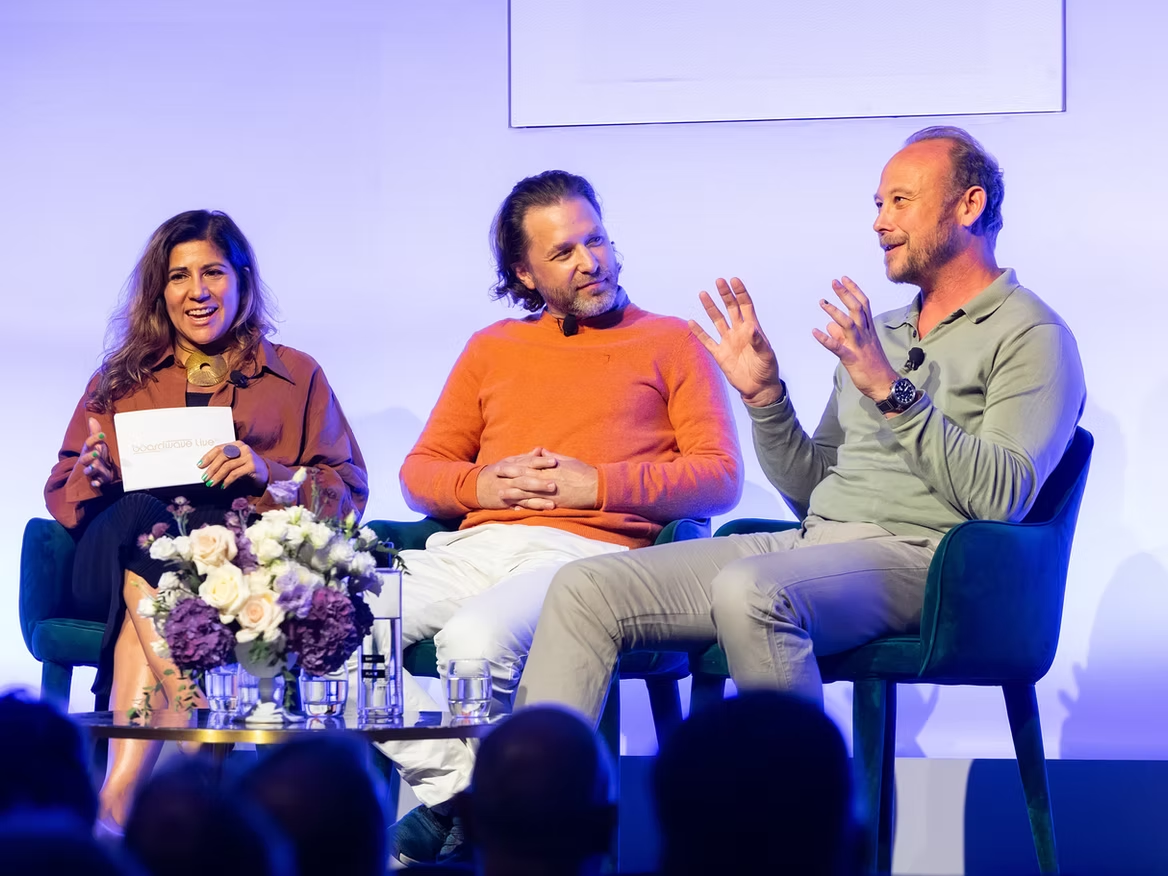
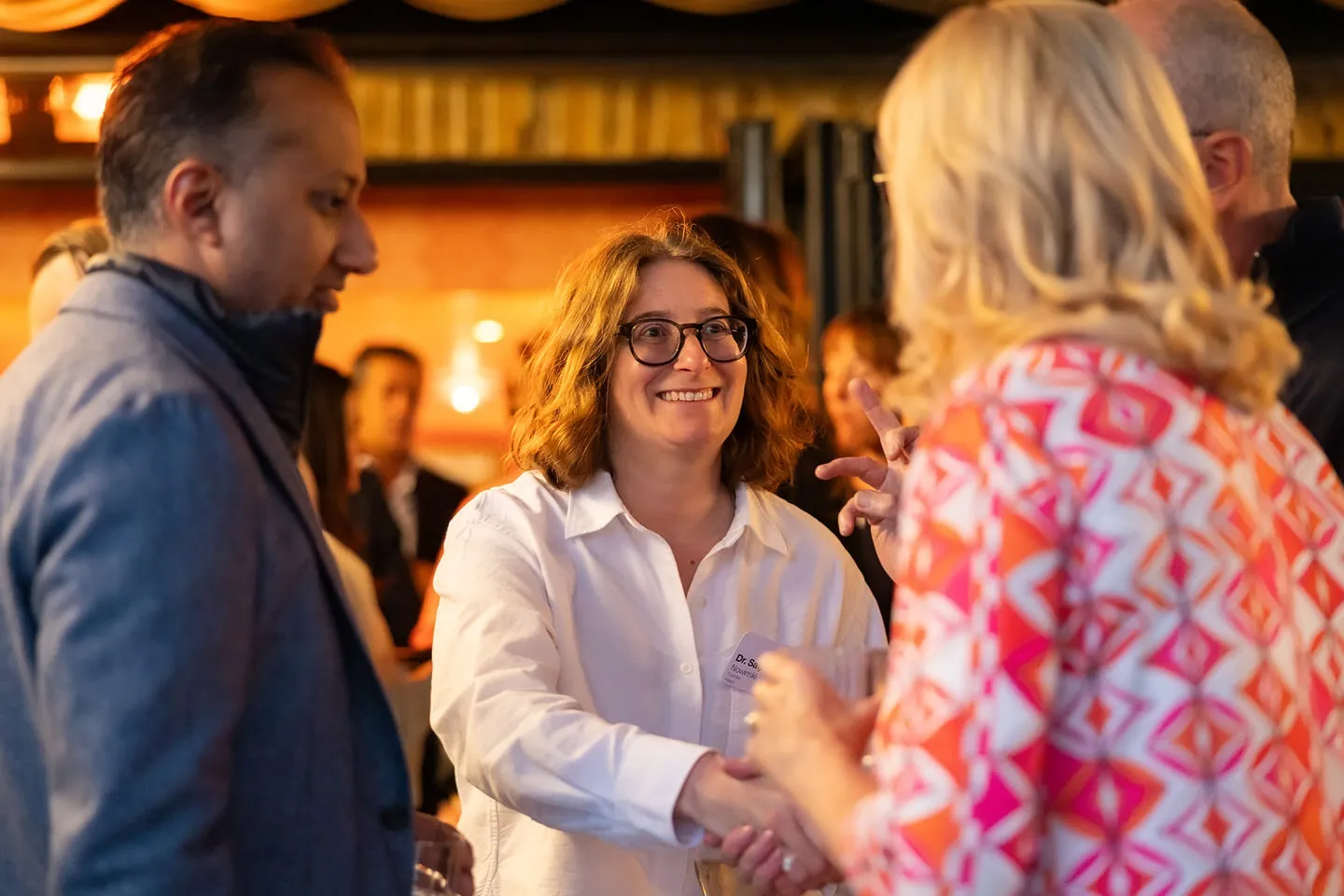
KKR and Boardwave, a European networking community for software industry leaders, which KKR is a founding sponsor of, recently hosted the CEOs of some of Europe’s most dynamic tech businesses for a breakfast discussion at KKR’s London office. The event, titled “Optimising your business for growth: Leadership & Organisational Design”, provided the CEOs with an opportunity to network and share insights and experiences. Topics of discussion included:
- The importance for organisational culture to support strategy and the benefits of bringing in new leadership with global experience to deliver on a new shift in strategy.
- Use of “change agents” to facilitate the transformation of an entrenched culture and get employees comfortable with a new organisational set up. Culture can enable or hinder transformations. Change agents can help communicate new values and strategies within the organisation and bring employees along. The group agreed that it is essential for CEOs to look for people who have a passion for the organisation and its goals and are willing to act as role models to others.
- Employee motivation and how to ensure entrepreneurs stay motivated when smaller businesses are acquired and integrated into larger organisations. Participants noted that it is important to identify what drives each individual and to nurture their motivation for growth, adding that it can be helpful to adjust organisational structure to give people more freedom to grow and develop within a new setup.
- How to build and sustain trust by fostering a collaborative and transparent team atmosphere where everyone is responsible for achieving KPIs together.
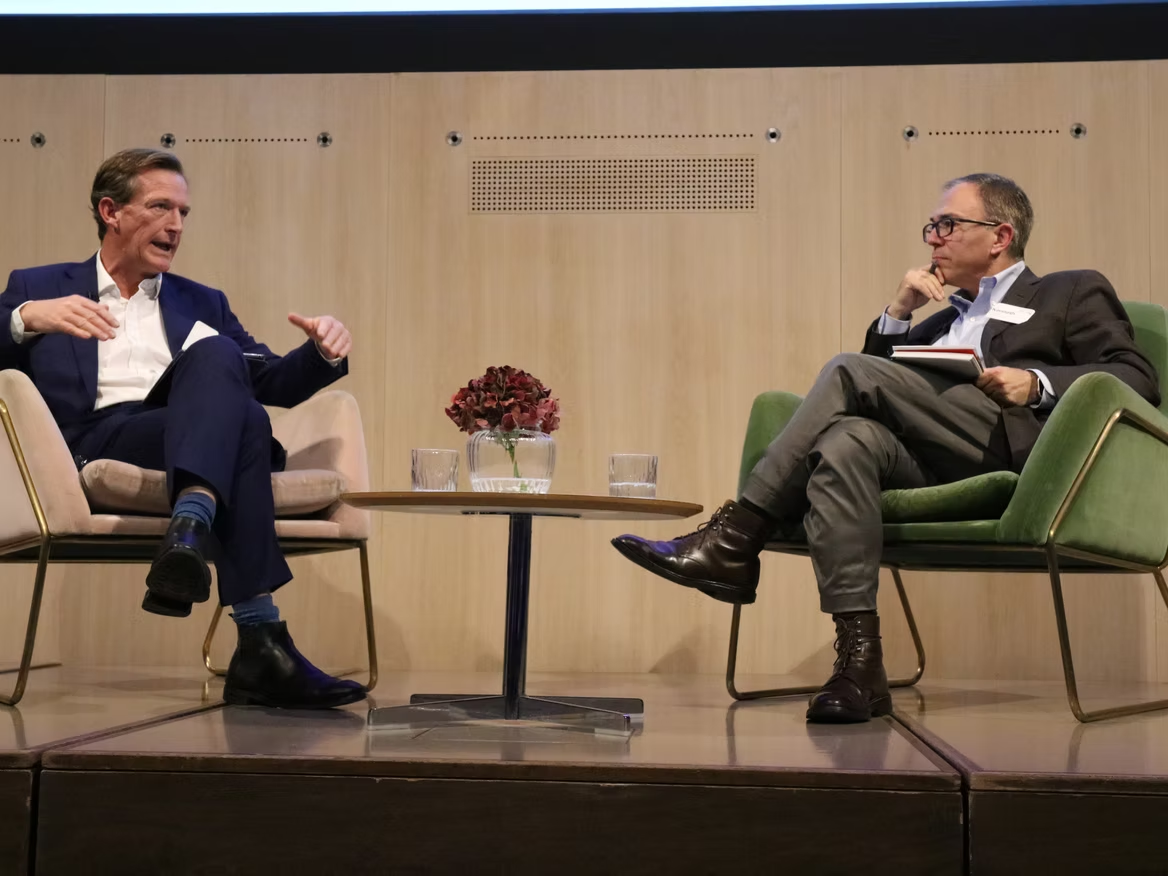
Following the event, KKR caught up with two of the participating CEOs, Chad Collins of Körber Supply Chain Software, and Phill Robinson, Founder of Boardwave and former CEO of Exact (Both Körber Supply Chain and Exact are current KKR Europe private equity portfolio companies). Here’s what they had to say:
KKR: What were some key challenges you faced when joining Körber as CEO, Chad?
Chad: For me, aligning sales cultures between the different approaches in Europe vs North America was a key challenge in a transatlantic business like Körber Supply Chain. I would also emphasise the importance of finding the right organisational structure, choosing between a product- or function-centric approach, to match the growth strategy.
KKR: Phill, what was your experience like at Exact and what did the transformation journey look like?
Phill: When I joined Exact one of the significant changes we undertook was revamping the strategy to reposition the company as a local champion. We realised that the organisation had been spread too thin because of its rapid global growth, and we decided to channel our efforts into developing a Benelux champion. As a result, we streamlined our structure, including corporate functions, and moved to a functional organisational structure.
KKR: In your view, how do you change culture and drive organisational change?
Phill: CEOs have the “right” to drive culture change. So, find a narrative that brings along most people - it won’t ever be 100% - and own it.
Chad: It can be helpful to explain that even though organisational strategy can change and evolve, it doesn’t mean that employees need to change how they operate day-to-day. In contrast, encourage them to keep doing the things they like and excel at.
KKR: How did you integrate acquisitions without removing the entrepreneurial spirit of the founders you bring along?
Chad: We worked to integrate four businesses into Körber Supply Chain by balancing the tradeoff between proximity to customers, and global processes; between functional accountability versus product accountability. We opted for functional accountability, which allowed us to keep the entrepreneurial spirit alive while still achieving some of the benefits of global processes.
KKR: How did you document responsibilities and roles in your organisation?
Phill: We documented responsibilities and roles by setting up KPIs for new roles and assessing what people need. We also had a live dashboard in the office and held workshops for teams to decide which KPIs support the overall goals of the business.
KKR: Thank you both for participating and sharing your valuable insights.

%20(1)%20(1).webp)



_(logo).svg)










.webp)








.webp)
























.svg)



.svg)














.webp)